
Sophie Bond is a geographer who teaches and researches in environmental politics and geographies of justice.
NOT YET PUBLISHED
-
Formats
- Share
- Published 09-05-2023
- ISBN 9780522879810
- Pages 160
- Subjects Political geography Environmentalist, conservationist & Green organizations
- Imprint MUP
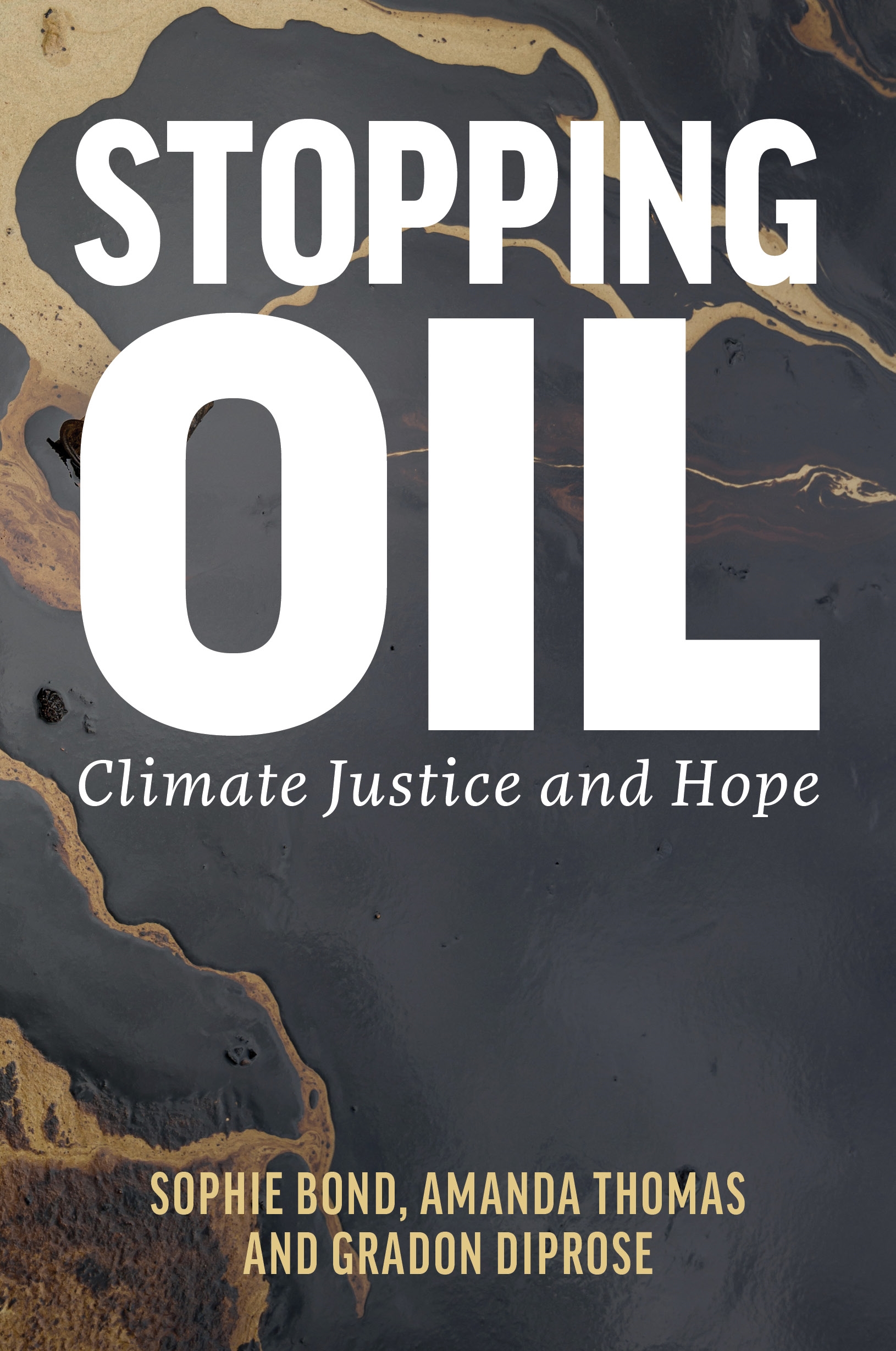
Stopping Oil
Climate Justice and Hope
NOT YET PUBLISHED
-
Formats
- Share
- Published 09-05-2023
- ISBN 9780522879810
- Pages 160
- Subjects Political geography Environmentalist, conservationist & Green organizations
- Imprint MUP
Lessons learned from the powerful climate justice campaign in Aotearoa New Zealand
Stopping Oil dives into the story of how deep-sea oil exploration became politicised in Aotearoa New Zealand, how community groups mobilised against it and the backlash that followed. It is also a story of activists exercising an ethic of care and responsibility, and how that solidarity was masked and silenced by the neoliberal state. As Aotearoa New Zealand began to pursue deep-sea oil as part of its development agenda, a powerful climate justice campaign emerged, comprising of a range of autonomous 'Oil Free' groups around the country, NGOs like Greenpeace, and iwi and hapu (Maori tribal groups). As their influence increased, the state employed different tactics to silence them, starting with media representations designed to delegitimise, followed by securitisation and surveillance that controlled their activities, and finally targeted state-sanctioned violence and dehumanisation. By highlighting geographies of hope for radical progressive change, the authors focus on the many examples of the campaign where solidarity and political responsibility shone through the repression, leading us towards a brighter future for climate justice across the globe.
Amanda Thomas is a geographer who lectures in environmental studies at Victoria University of Wellington.
Dr Gradon Diprose is a geographer working as an environmental social science researcher at Manaaki Whenua – Landcare Research. His research explores human nature relationships, climate resilient urban infrastructure, and how communities come together around shared concerns to sustain their livelihoods and wellbeing.
More Great Books



The Rise of the Matildas
Fiona Crawford
PAPERBACK..... $34.99
ISBN: 9780522880779
Justice and Hope
Raimond Gaita
PAPERBACK..... $39.99
ISBN: 9780522880731
The Matilda Effect
Fiona Crawford
PAPERBACK..... $45.00
ISBN: 9780522878004
Spirit of Golf and How it Applies to Life
Richard Allen
EBOOK..... $15.99
ISBN: 9780522871791
Surf-O-Rama
Murray Walding
PAPERBACK..... $45.00
ISBN: 9780522869972