
Ken Gelder is an Emeritus Professor of English at the University of Melbourne. His books include Uncanny Australia: Sacredness and Identity in a Postcolonial Nation (1998, with Jane M Jacobs), Popular Fiction: The Logics and Practices of a Literary Field (2004), Subcultures: Cultural Histories and Social Practice (2007), After the Celebration: Australian Fiction 1989-2007 (2009,…
NOT YET PUBLISHED
- Formats
- Share
- Published 03-03-2020
- ISBN 9780522875850
- Pages 229
- Subjects Literature: history & criticism Colonialism and imperialism
-
Imprint

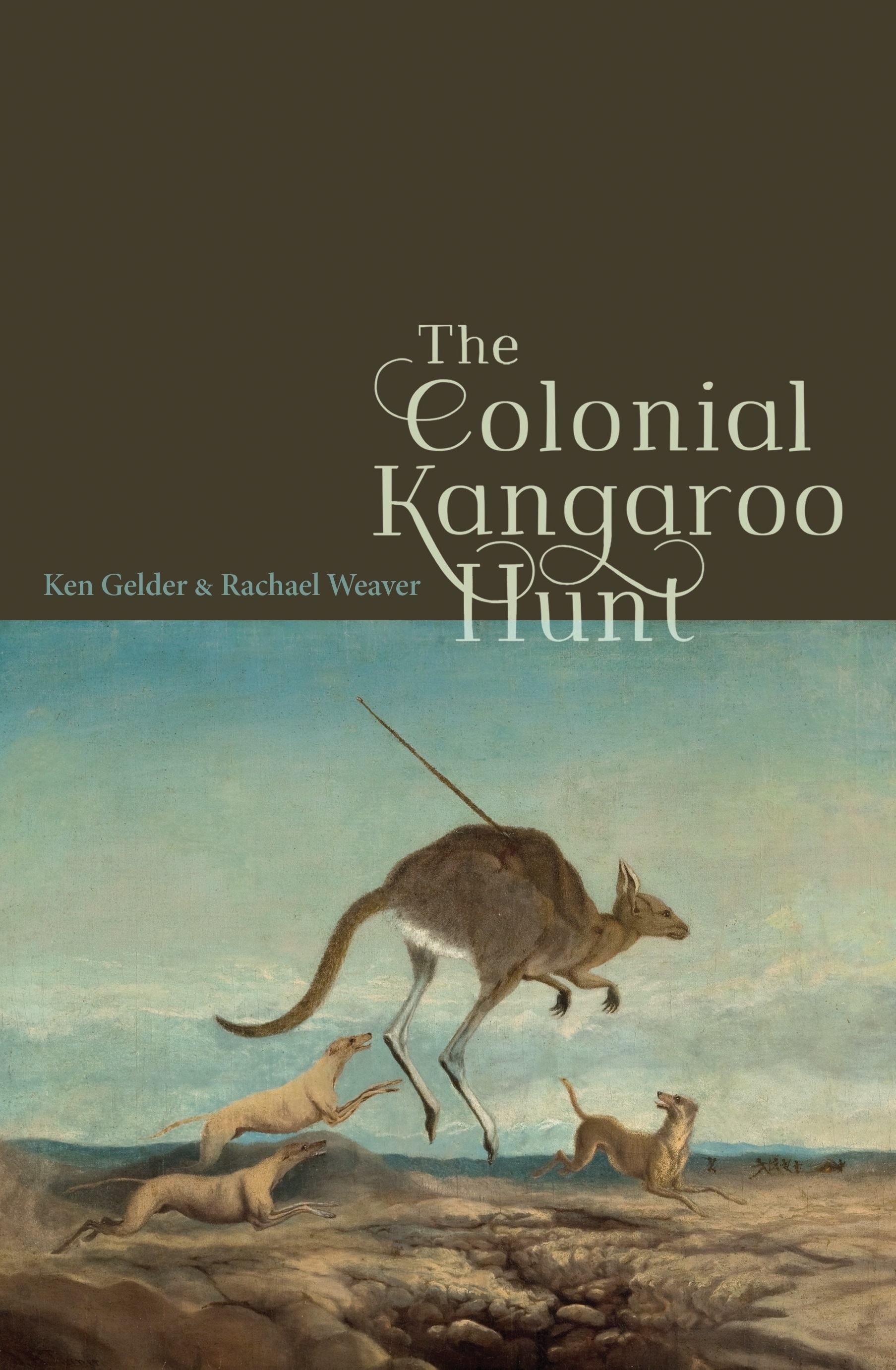
The Colonial Kangaroo Hunt
NOT YET PUBLISHED
- Formats
- Share
- Published 03-03-2020
- ISBN 9780522875850
- Pages 229
- Subjects Literature: history & criticism Colonialism and imperialism
-
Imprint
An analysis of hunting narratives and the figure of the kangaroo in Australian literature
From the arrival of Captain James Cook in 1770 to classic children's tale Dot and the Kangaroo, Ken Gelder and Rachael Weaver examine hunting narratives in novels, visual art and memoirs to discover how the kangaroo became a favourite quarry, a relished food source, an object of scientific fascination, and a source of violent conflict between settlers and Aboriginal people. The kangaroo hunt worked as a rite of passage and an expression of settler domination over native species and land. But it also enabled settlers to begin to comprehend the complexity of bush ecology, raising early concerns about species extinction and the need for conservation and the preservation of habitat.
PRAISE
'Put simply, we will never be able to look at another written or pictorial description of a kangaroo hunt the same way, or at kangaroos themselves. Of course, we might have been tipped off to such a brilliant analytical alternative by Gelder and Weaver's previous work. Gelder's co-written 1998 Uncanny Australia: Sacredness and Identity in a Post-Colonial Nation is one of the first books to in effect psychoanalyse Australian culture and Weaver's 2006 study of the nineteenth-century mass murderer Frederick Deeming, The Criminal of the Century, is a study not only of a single psychopath but a whole society....I have been at lectures drawing on the material of the book in which Gelder and Weaver have presented their argument and heard the audience gasp at the obviousness of it, as though our collective unconscious has finally been analysed, so that even though we might continue to perpetrate the same injustices we cannot any longer say we are unaware of doing so.'
Rex Butler, Sydney Review of Books
'Gelder and Weaver have amassed a deeply researched narrative of a particular colonial cultural trope. It is carefully supported by extensive and searching accounts of the written texts, the curating of which is a work of great scholarship. Additionally, there are many fine reproductions of supporting works of art, some of which are read into the text with great insight and sensitivity. We are fortunate to have writers who have the time to accumulate the sources and process them into a telling narrative, and publishers with the funds to publish that work with the care and finesse it deserves.'
Julian Croft, Australian Literary Studies
Rachael Weaver is an ARC Future Fellow in English at the University of Tasmania and a 2024 Visiting Scholar at the State Library of New South Wales. She is the author of The Criminal of the Century (2006) and, with Ken Gelder, The Colonial Journals, and the emergence of Australian literary culture (2014), Colonial Australian…
More Great Books
Early Photography in Colonial Australia
Elisa deCourcy
PAPERBACK..... $39.99
ISBN: 9780522879520
Colonial Adventure
Ken Gelder and Rachael Weaver
PAPERBACK..... $29.99
ISBN: 9780522879544
The Wild Reciter
Peter Kirkpatrick
PAPERBACK..... $34.99
ISBN: 9780522880298
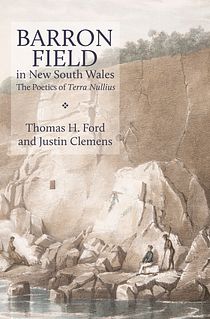
Barron Field in New South Wales
Thomas H Ford and Justin Clemens
PAPERBACK..... $35.00
ISBN: 9780522878783
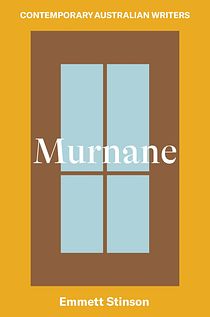
Murnane
Emmett Stinson
PAPERBACK..... $30.00
ISBN: 9780522879469